Is Knitting a Realistic Earning Skill for Differently-Abled Individuals? | LearnForEarn
2025-12-24
5 min read
Knitting can be a genuine income-generating skill for many individuals with disabilities, but it's not a "get rich quick" solution. Let's be realistic about what knitting offers and what it demands.
Understanding Knitting as an Earning Skill
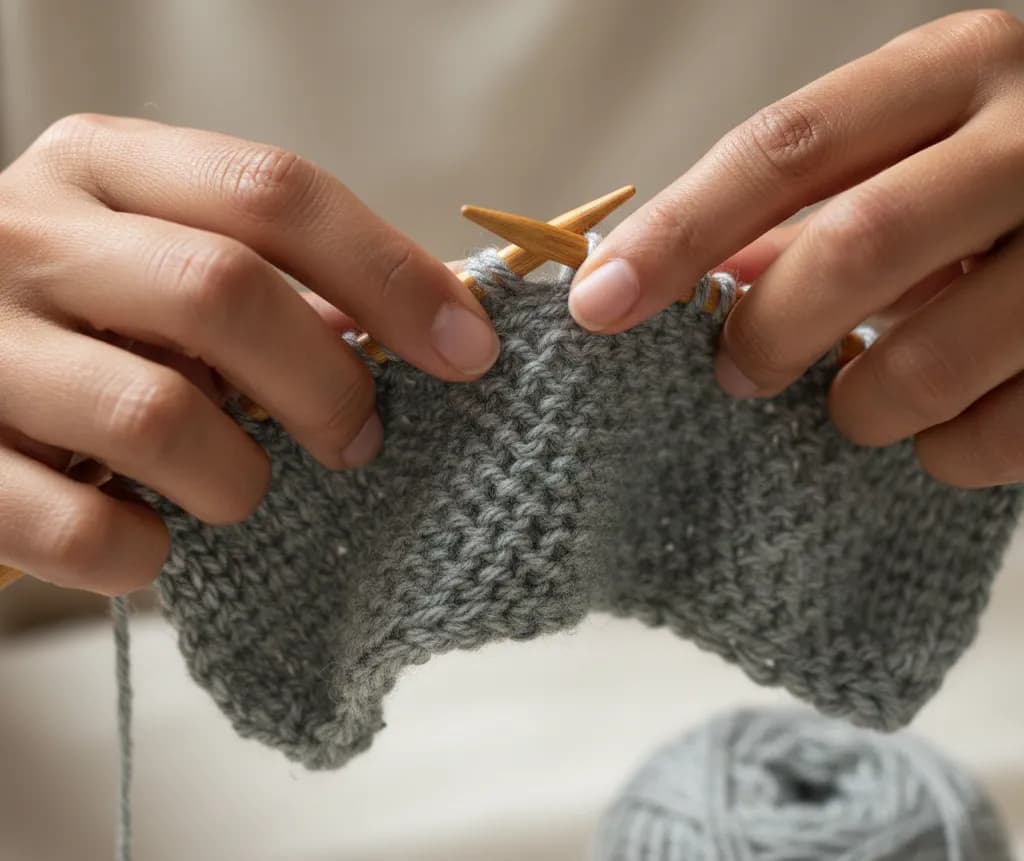
Knitting is a manual, repeatable, home-based skill that involves creating usable products from yarn using needles or simple tools.
Unlike many modern skills, knitting:
-
Does not require formal education
-
Does not require advanced technology
-
Can be done entirely from home
-
Can be learned gradually
-
Allows flexible working hours
Because of these characteristics, knitting has long been used as a supportive income skill, especially in communities where accessibility, mobility, or employment opportunities are limited.
Understanding Knitting as an Earning Skill
Knitting is a manual, repeatable, home-based skill that involves creating usable products from yarn using needles or simple tools.
Unlike many modern skills, knitting:
-
Does not require formal education
-
Does not require advanced technology
-
Can be done entirely from home
-
Can be learned gradually
-
Allows flexible working hours
Because of these characteristics, knitting has long been used as a supportive income skill, especially in communities where accessibility, mobility, or employment opportunities are limited.
Why Knitting Works Well for Many Differently-Abled People
Flexible Work Environment
Knitting allows you to work from home, at your own pace, and on your own schedule. There is no need to commute or work in an inaccessible workplace.
You control:
-
Lighting
-
Seating
-
Breaks
-
Workspace setup
This level of control is especially important for individuals managing pain, fatigue, or mobility challenges.
Low Startup Investment
Unlike many skills that require expensive equipment or software, knitting needs very little initial investment.
-
Knitting needles: NPR 100–500
-
Yarn for practice projects: NPR 200–400
You can begin learning and practicing with less than NPR 1,000, making it accessible even for people with limited financial resources.
Scalable Income Potential
Knitting allows you to start small and grow slowly.
Beginners usually make:
-
Dishcloths
-
Scarves
-
Caps
With experience, you can move on to:
-
Sweaters
-
Shawls
-
Blankets
-
Custom designs
As your skills improve, so does the value of your work.
Low Learning Barrier
Knitting does not demand:
-
Literacy in complex languages
-
Technical or digital background
-
Prior experience
With regular practice, many people can learn basic, sellable knitting skills within a few weeks.
Multiple Income Streams Available
Knitting does not rely on just one earning method. Possible income streams include:
-
Selling finished products (scarves, hats, blankets, baby items, pet accessories)
-
Custom orders and personalized items
-
Teaching knitting classes (online or in-person)
-
Creating and selling knitting patterns
-
YouTube tutorials or social media content
-
Wholesale supply to local boutiques or craft stores
Not everyone needs to use all of these. Even one or two income paths can be enough for supportive earnings.
The Reality Check: What Knitting Demands
Physical Requirements Knitting requires repetitive hand and finger movements. While many adaptations exist, you need some level of hand dexterity and coordination. It can cause hand fatigue, especially when starting out.
Time Investment vs. Income A simple scarf might take 8-12 hours to complete and sell for NPR 1,500-3,000. A complex sweater could take 40-60 hours and sell for NPR 8,000-15,000. Calculate your hourly rate realistically—in the beginning, it might be NPR 100-200 per hour, not NPR 500+.
Market Competition You're competing with machine-made products that are cheaper and faster to produce. Your value proposition must be clear: handmade quality, customization, unique designs, or supporting local artisans.
Business Skills Needed: Making beautiful knitted items is only half the work. You also need to:
-
Price your products appropriately
-
Market your work (social media, local markets, online platforms)
-
Manage inventory and supplies
-
Handle customer communications and orders
-
Photograph your products attractively
Current Market Demand in Nepal
Growing Interest in Handmade Products. There's increasing appreciation for handmade, sustainable products both locally and internationally. Tourist markets in Kathmandu, Pokhara, and Bhaktapur actively seek handmade items.
Online Selling Opportunities Platforms like Daraz, Facebook Marketplace, Instagram shops, and even international sites like Etsy provide selling channels. Many Nepali artisans successfully sell knitted items online.
Export Potential Nepali knitwear has international appeal, especially items featuring traditional patterns or natural fibers like yak wool or sheep wool from local sources.
Seasonal Demand Peak demand occurs during winter months (October-February) and around festivals like Dashain and Tihar. Plan your production accordingly.